
6/8 Marriage Gardens Top 10 Largest

The Top 10 Largest Marriage Gardens are in:
Dallas-Fort Worth suburbs (TX)
DC/Baltimore/Philadelphia suburbs (VA-MD-PA)
San Francisco Bay Area (CA)
Core New Jersey (NJ)
Utah (UT)
NYC Tri-State Area (CT-NJ-NY)
Long Island (NY)
Chicago suburbs (IL)
Boston/Manchester suburbs (MA, NH)
Twin Cities suburbs (MN)
A marriage garden, is in those PUMAs (Public Use Microdata Areas) in which which the share of householders aged 15 to 64 who are married is at least 61%, representing the highest-observed marriage shares nationally.
The table below ranks the ten grouped PUMAs with the highest shares of married householders aged 15–64. Across these areas, the married share of householders at the PUMA level ranges from 61 percent to 78 percent. This implies that, at a minimum, three out of five householders aged 15–64 in these PUMAs are married, and in several parts of these grouped PUMAs, over three quarters are married.
Here we note that the Rockwall–Greenville–Far Northeast Dallas, Texas marriage garden is the largest grouped marriage garden in the country. At 636,086 householders ages 15-64, it is around 7% smaller than the largest marriage desert (Manhattan, NY, 686,520).
The list below ranks the Top 10 grouped, contiguous PUMAs with the highest shares of married householders aged 15–64. These marriage gardens are the “largest” by population size.
Across these areas, the married share of householders ranges from 73.9 percent to 78.6 percent. This implies that around three in four householders aged 15–64 in these PUMAs are married, roughly the inverse of the pattern observed in the nation’s largest marriage deserts.

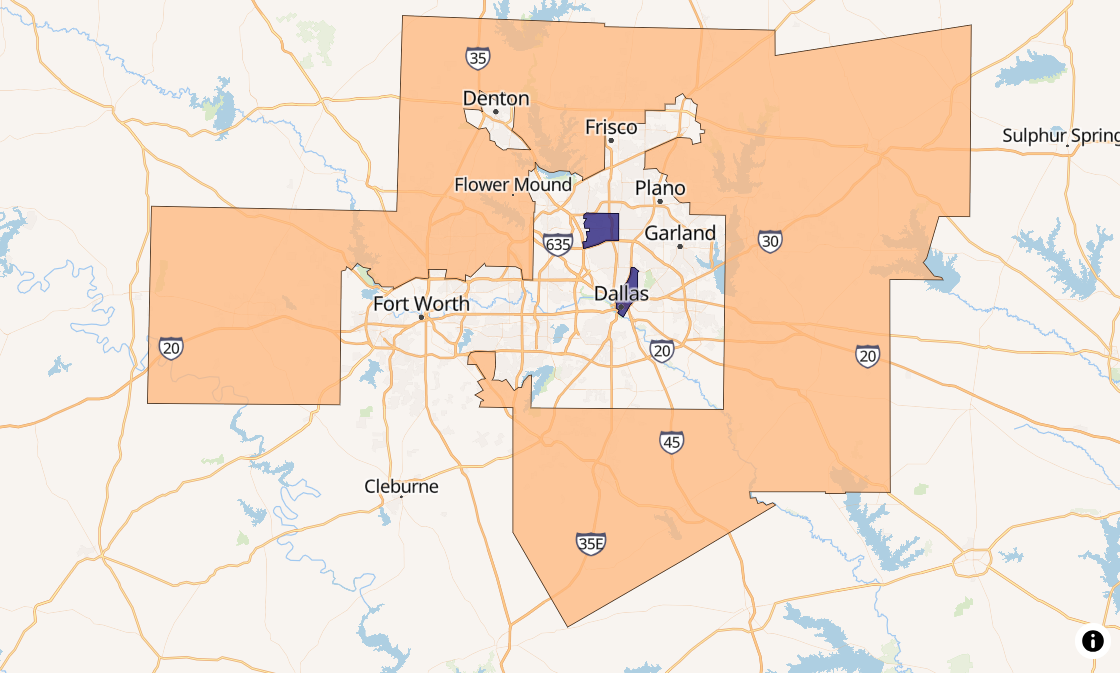
America’s largest marriage garden spreads across Dallas-Fort Worth, TX suburbs.
Of the 636,086 householders aged 15-64 in this marriage desert, the minimum share who are married is 61% and the maximum share is 76%.

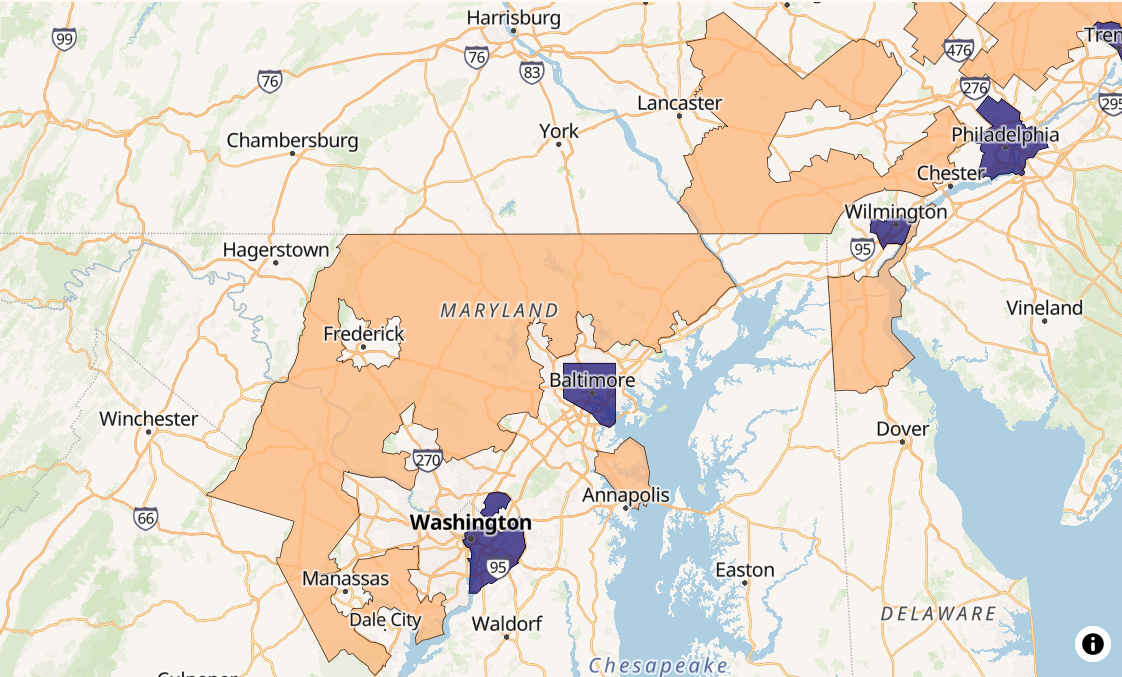
America’s second largest marriage garden spreads across the D.C. metro area suburbs of Northern Virginia, into Maryland and Pennsylvania.
Of the 544,835 householders aged 15-64 in this marriage desert, the minimum share who are married is 62% and the maximum share is 74%.

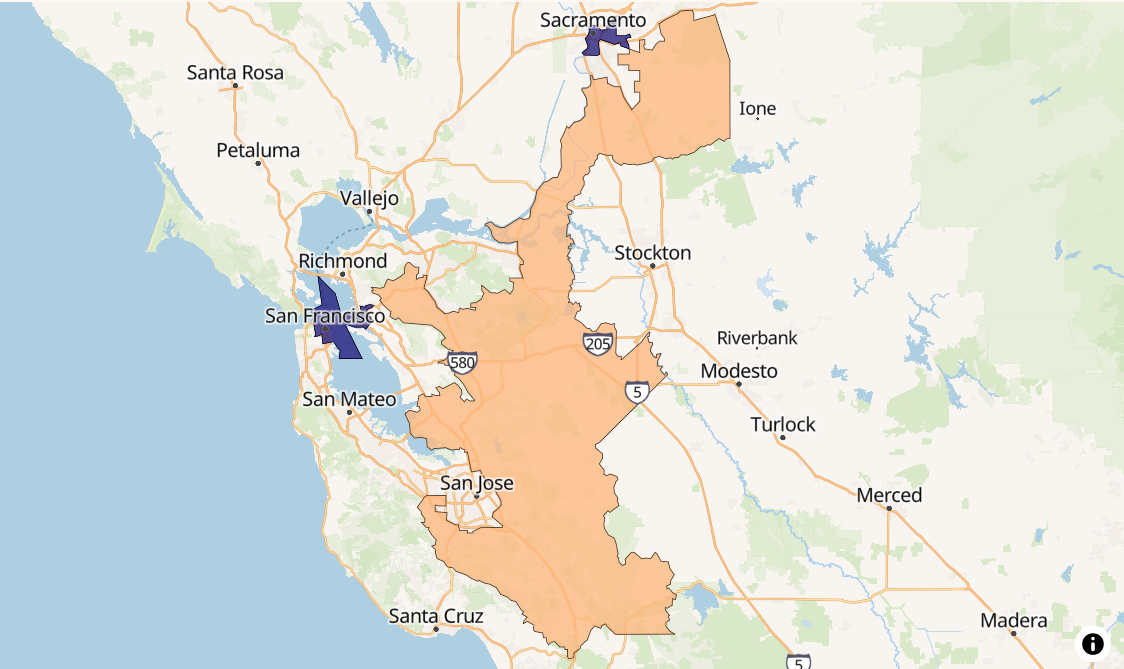
America’s third largest marriage garden spreads across the Bay Area from South of Sacramento to Gilroy, CA.
Of the 493,496 householders aged 15-64 in this marriage desert, the minimum share who are married is 62% and the maximum share is 73%.

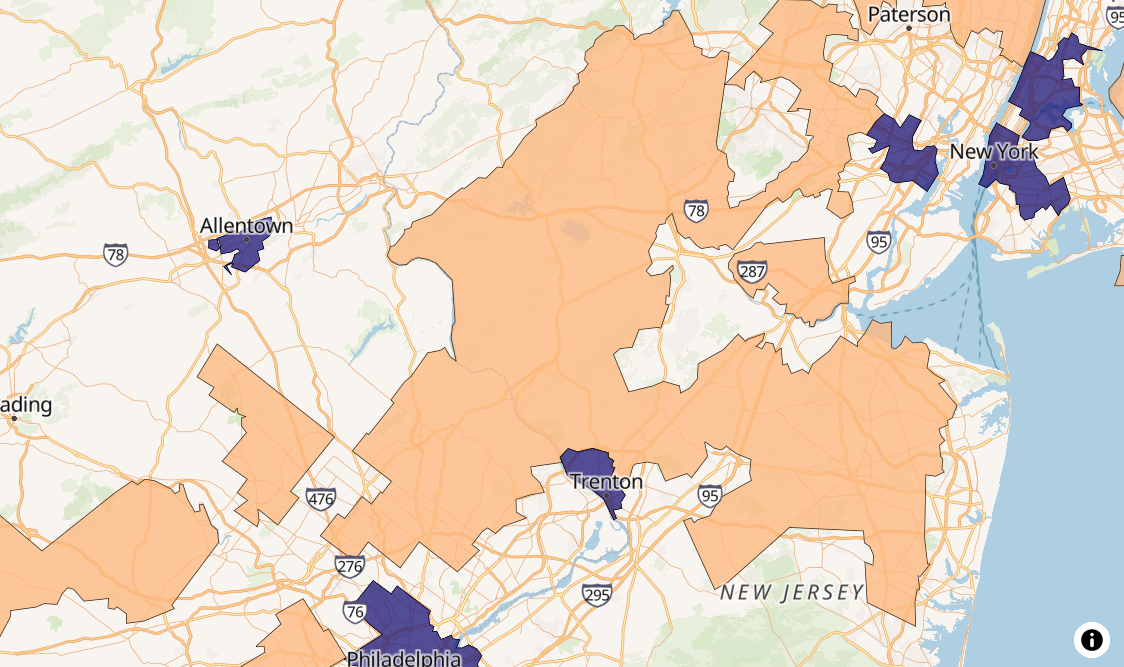
America’s fourth largest marriage garden spreads across most of New Jersey, except at its perimeters.
Of the 484,576 householders aged 15-64 in this marriage desert, the minimum share who are married is 61% and the maximum share is 75%.

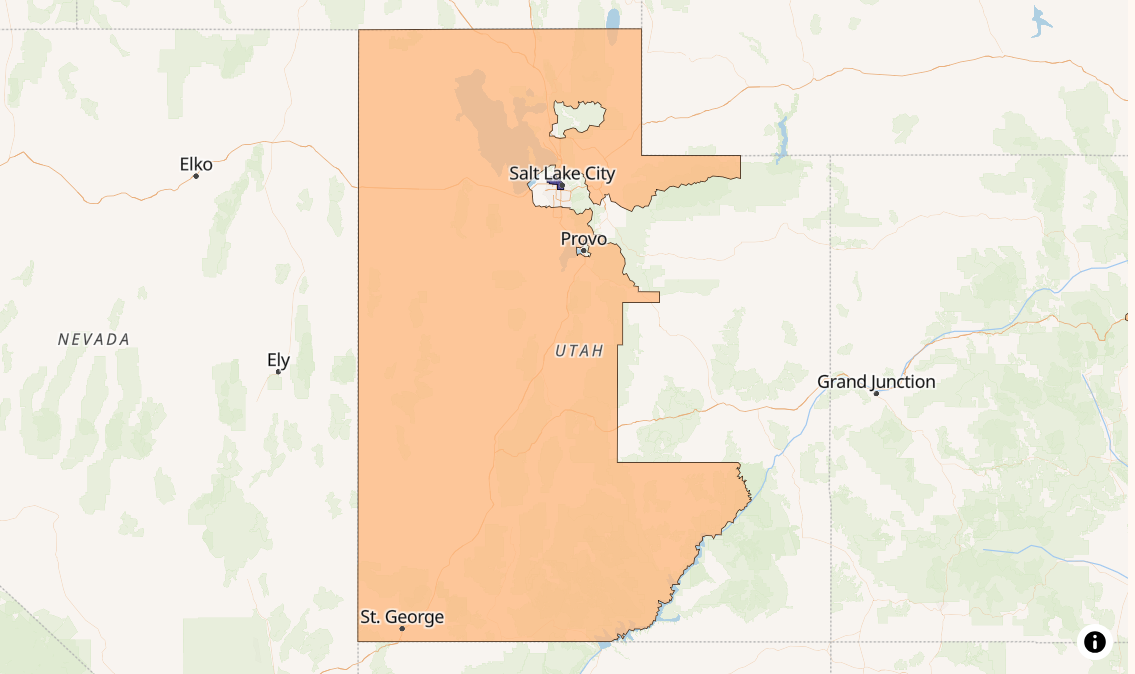
America’s fifth largest marriage garden spreads across most of Western Utah.
Of the 483,754 householders aged 15-64 in this marriage desert, the minimum share who are married is 63% and the maximum share is 78%.

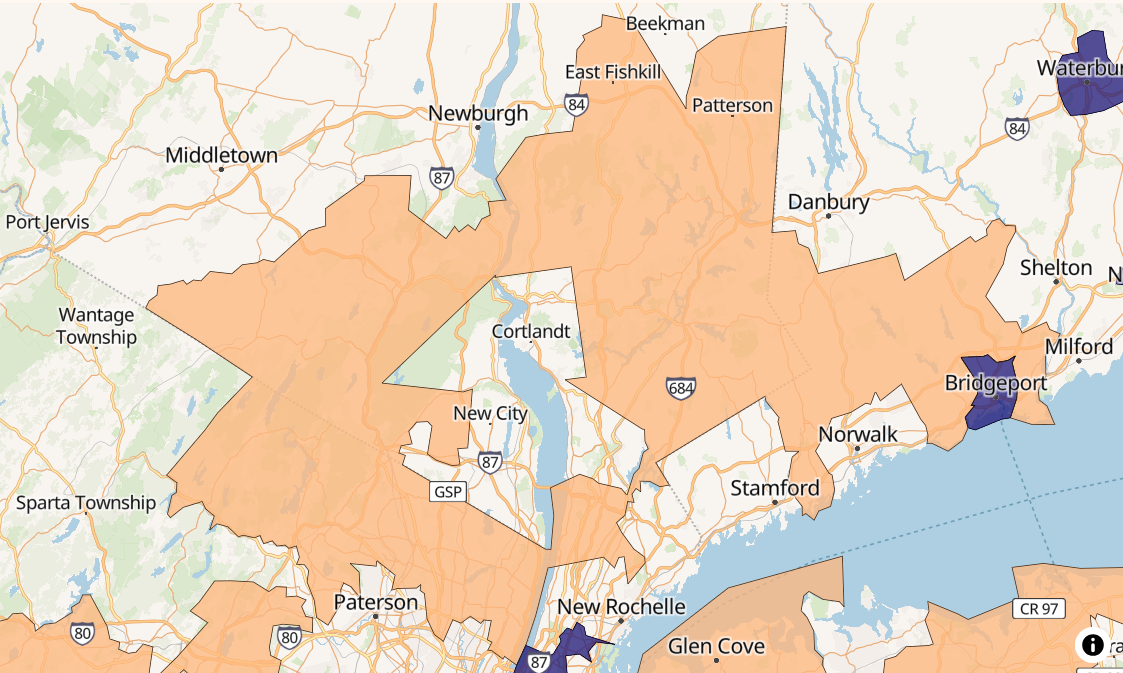
America’s sixth largest marriage garden spreads across the tri-state area surrounding New York City, across Northern New Jersey, Eastern Philadelphia, and Western Connecticut.
Of the 360,575 householders aged 15-64 in this marriage desert, the minimum share who are married is 63% and the maximum share is 76%.

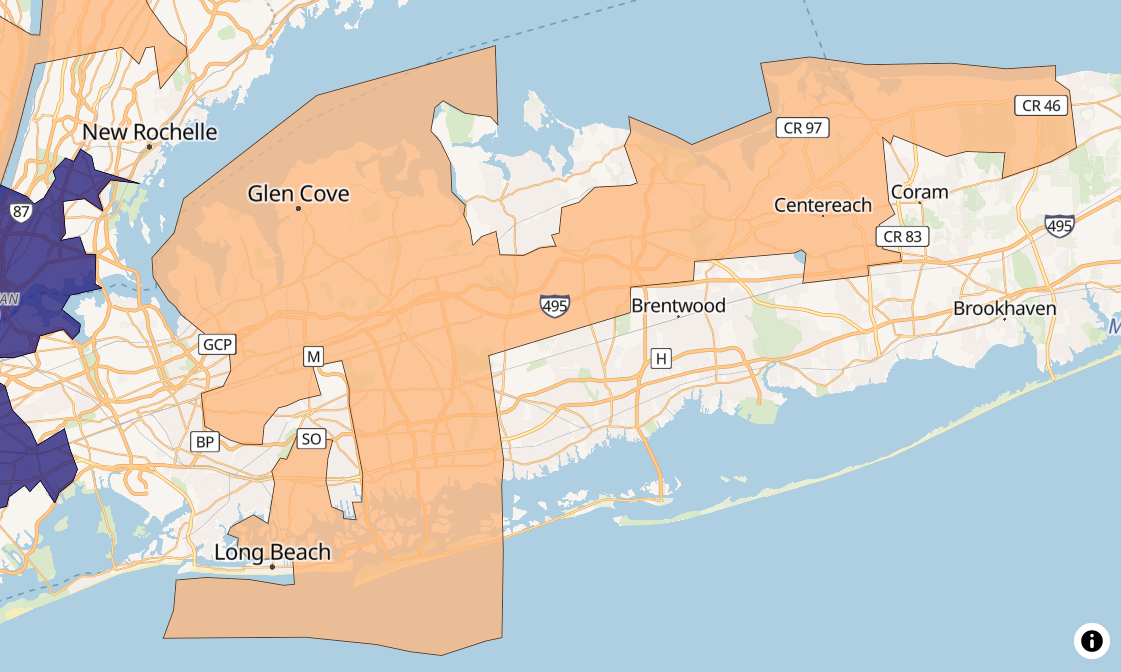
America’s seventh largest marriage garden is on Long Island, NY.
Of the 328,257 householders aged 15-64 in this marriage desert, the minimum share who are married is 62% and the maximum share is 73%.

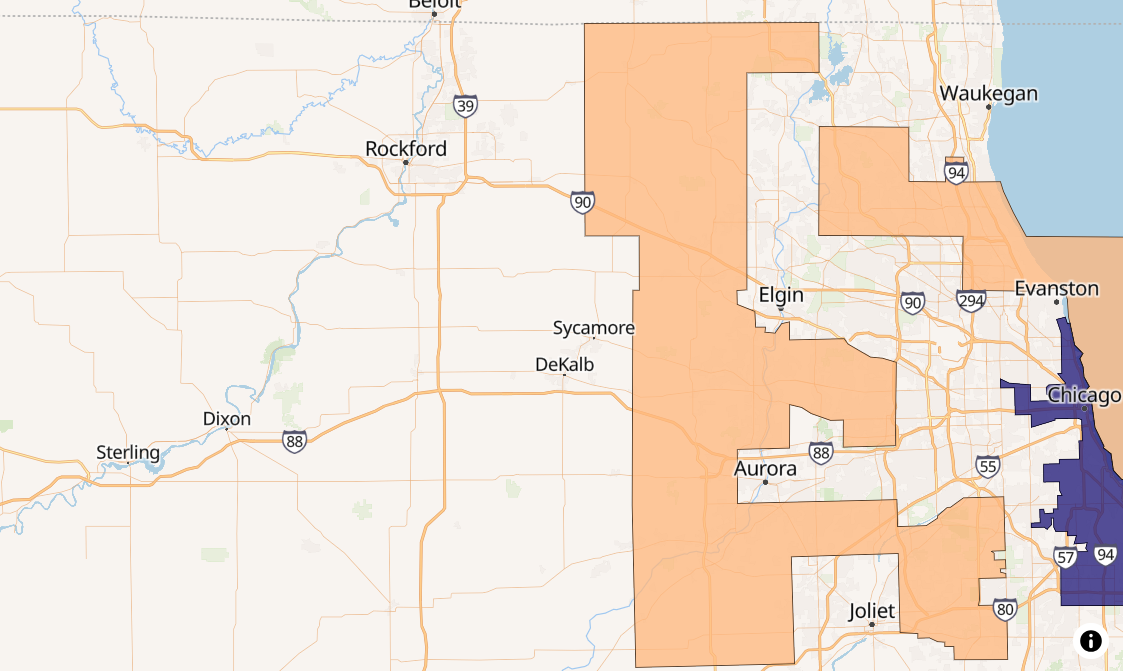
America’s eighth largest marriage garden is in the Western suburbs of Chicago, IL.
Of the 326,494 householders aged 15-64 in this marriage desert, the minimum share who are married is 61% and the maximum share is 72%.

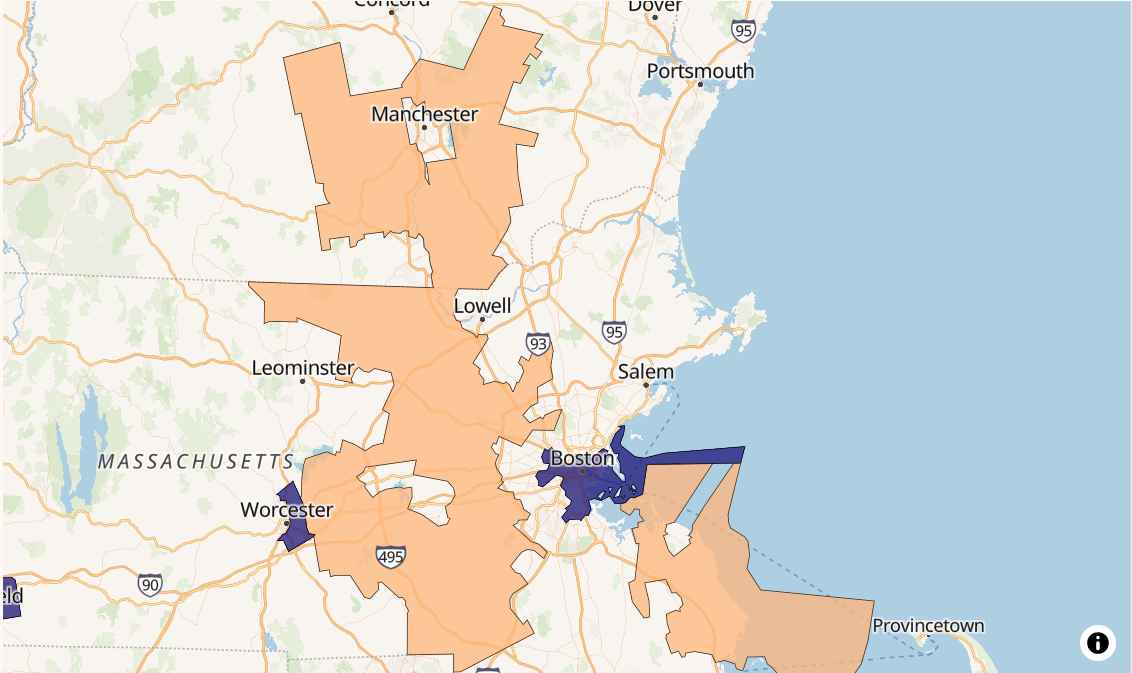
America’s ninth largest marriage garden is in the suburbs of Boston and Manchester, MA.
Of the 310,174 householders aged 15-64 in this marriage desert, the minimum share who are married is 61% and the maximum share is 74%.

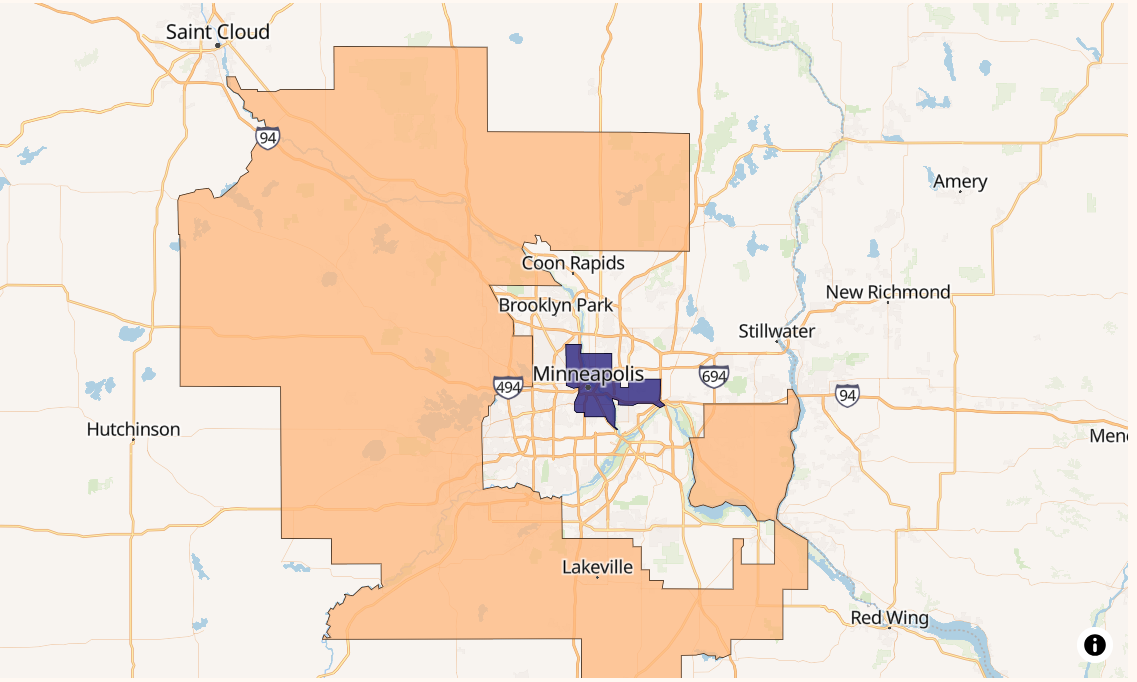
America’s tenth largest marriage garden is in the suburbs of the Twin Cities, the Minneapolis–Saint Paul metropolitan area in Minnesota.
Of the 301,877 householders aged 15-64 in this marriage desert, the minimum share who are married is 62% and the maximum share is 68%.
Full report and maps published by the Institute for Family Studies: https://ifstudies.org/report-brief/marriage-deserts-mapping-americas-family-divide